

Popular Nothing found. Search covers mortgage topics only. Call or text (226) 791-1576 and ask me directly.
Search the web
Site results: mortgage topics on melodnawabi.ca and Melod's Pineapple pages. Web results open Google in a new tab and leave this site. Press / to search from any page.
Contact
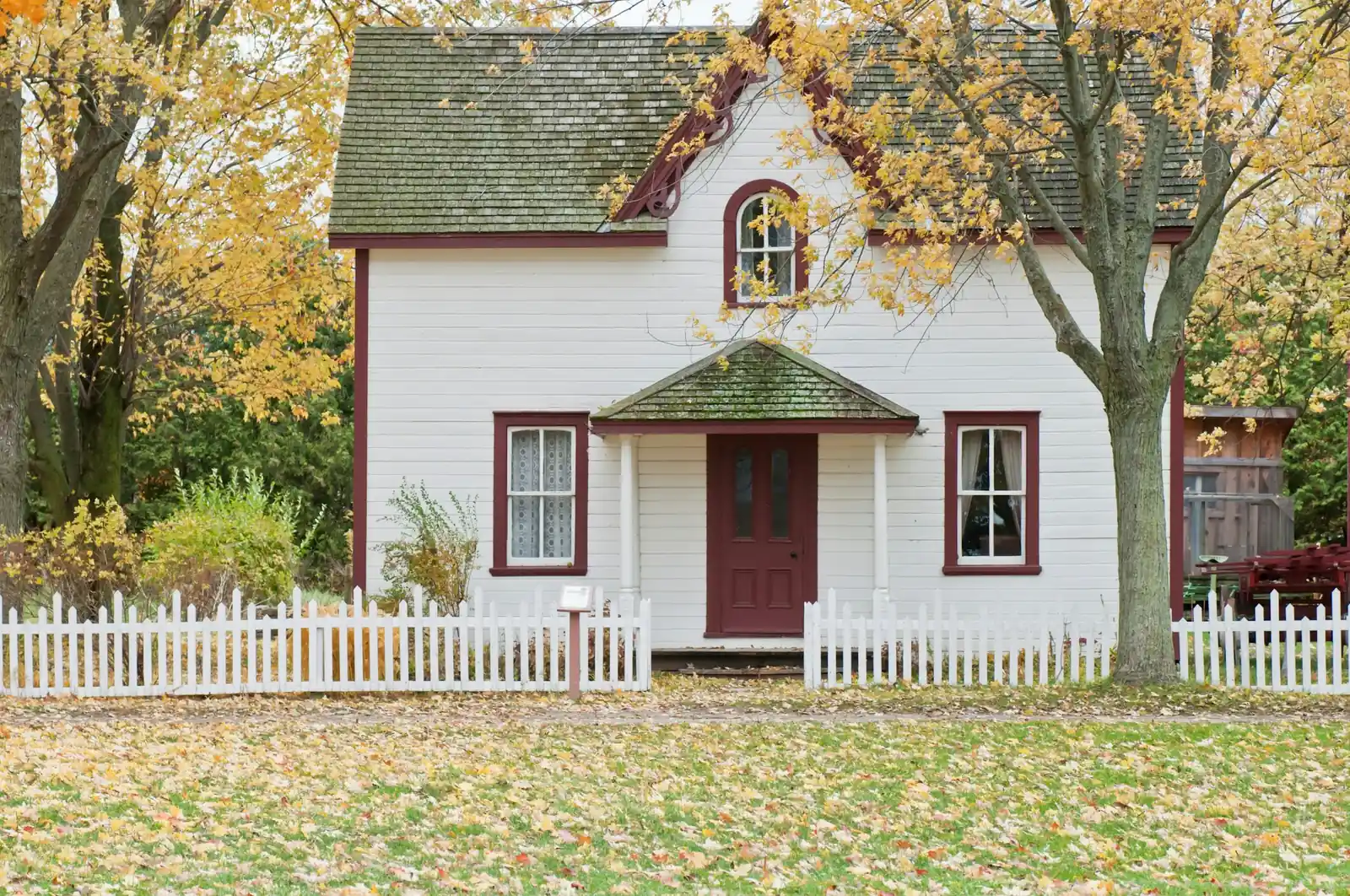
Grey and white house
HELOC

Your equity, on standby

A line of credit against your home: borrow when you need it, pay interest only on what you use, and reuse it as you pay it down. A home equity line of credit keeps your equity on standby until you need it.

Revolving limit 65% A HELOC can go up to 65% of your home's value, 80% combined with your mortgage. Limits set by federal guidelines and lender. O.A.C.
HELOC✳ Check your equity✳ Apply✳ Set up✳ Draw✳ Up to 65%✳ Flexible✳ Reusable✳ Kitchener✳ HELOC✳ Check your equity✳ Apply✳ Set up✳ Draw✳ Up to 65%✳ Flexible✳ Reusable✳ Kitchener✳
At a glance

Up to 65%

Revolving credit up to 65% of your home's value (80% combined with your mortgage).
At a glance

Flexible

Interest-only on what you draw.
At a glance

Reusable

Pay it down and borrow again without reapplying.

Setting up a HELOC

  1. Step 1

    Check your equity

    Value minus mortgage, within the 65% and 80% limits.
  2. Step 2

    Apply

    Income, credit and usually an appraisal.
  3. Step 3

    Set up

    Often alongside your mortgage as a readvanceable plan.
  4. Step 4

    Draw

    Use it when you need it. Pay interest on what you use.
HELOC · 4 key points

What to know

Start here

How it works

A revolving credit line secured by your home. Draw, repay and draw again without reapplying.

Point 2

Interest-only minimums

Low required payments are flexible but can let a balance linger. A plan to pay it down matters.

Point 3

Good uses

Renovations, investing, an emergency cushion, or bridging between homes.

Point 4

Variable rate

HELOCs are usually priced at prime plus a margin, so payments move with the Bank of Canada.

Want your own numbers? I'll run them, free. Talk to Melod
Autumn trees reflected in a still lake

Borrow when you need it. Pay only for what you use.

HELOC · FAQ

Common questions

A HELOC suits ongoing or uncertain needs; a refinance suits a one-time lump sum at a fixed rate.

Usually no interest until you draw. There may be setup legal and appraisal costs.

All questions →

Related articles

All articles →

Related

RefinancingLower your rate, roll high-interest debt into one payment, or free up cash for a renovation. → Debt ConsolidationRoll credit cards, car loans and lines of credit into your mortgage at a lower rate, and free up monthly cash flow. → RatesThese are Pineapple's best published rates. →
What do these terms mean?Hide terms

Terms on this page

HELOC
Home Equity Line of Credit: borrow against your home as needed
Fixed rate
Rate stays the same for the whole term
Variable rate
Rate moves with prime during the term
Equity
Your home's value minus what you owe
Refinance
Replacing your mortgage, often to access equity
All mortgage terms
LTT
Land Transfer Tax: one-time Ontario tax the buyer pays at closing
CMHC
Canada Mortgage and Housing Corporation, the main mortgage default insurer
FHSA
First Home Savings Account: tax-free savings for a first home
HBP
Home Buyers' Plan: borrow from your RRSP for a first home
RRSP
Registered Retirement Savings Plan
TFSA
Tax-Free Savings Account
GDS
Gross Debt Service: housing costs as a share of income
TDS
Total Debt Service: all debt payments as a share of income
LTV
Loan-to-Value: mortgage size as a share of the home price
O.A.C.
On Approved Credit: final terms depend on lender approval
APR
Annual Percentage Rate: interest plus certain fees, as a yearly rate
FSRA
Financial Services Regulatory Authority of Ontario, which licenses mortgage agents
BoC
Bank of Canada, which sets the policy rate
IRD
Interest Rate Differential: a common fixed-rate break penalty
PR
Permanent Resident of Canada
B-20
OSFI guideline that sets bank mortgage rules, incl. the stress test
OSFI
Office of the Superintendent of Financial Institutions, the federal bank regulator
Amortization
Total years to pay off the mortgage in full
Term
How long your rate and contract last, usually 1 to 5 years
Stress test
Qualifying at your rate + 2% or 5.25%, whichever is higher
Prime rate
Lenders' base rate; variable rates move with it
Pre-approval
A lender has reviewed your documents and credit and holds a rate
Pre-qualification
A quick estimate from numbers you share; nothing checked
Down payment
The part of the price you pay upfront
Insured mortgage
Under 20% down; default insurance is required
Renewal
Signing a new term when the current one ends
Prepayment
Paying extra toward the mortgage without penalty, up to a limit
Closing costs
Lawyer, LTT, title insurance and other costs due at closing
Rate hold
A lender guarantees a rate for a set time, often up to 120 days

Open the full mortgage glossary

One conversation is usually enough to know where you stand.

No credit check to start and no obligation at the end.
Book a call with Melod