Popular Nothing found. Search covers mortgage topics only. Call or text (226) 791-1576 and ask me directly.
Search the web
Site results: mortgage topics on melodnawabi.ca and Melod's Pineapple pages. Web results open Google in a new tab and leave this site. Press / to search from any page.
Contact
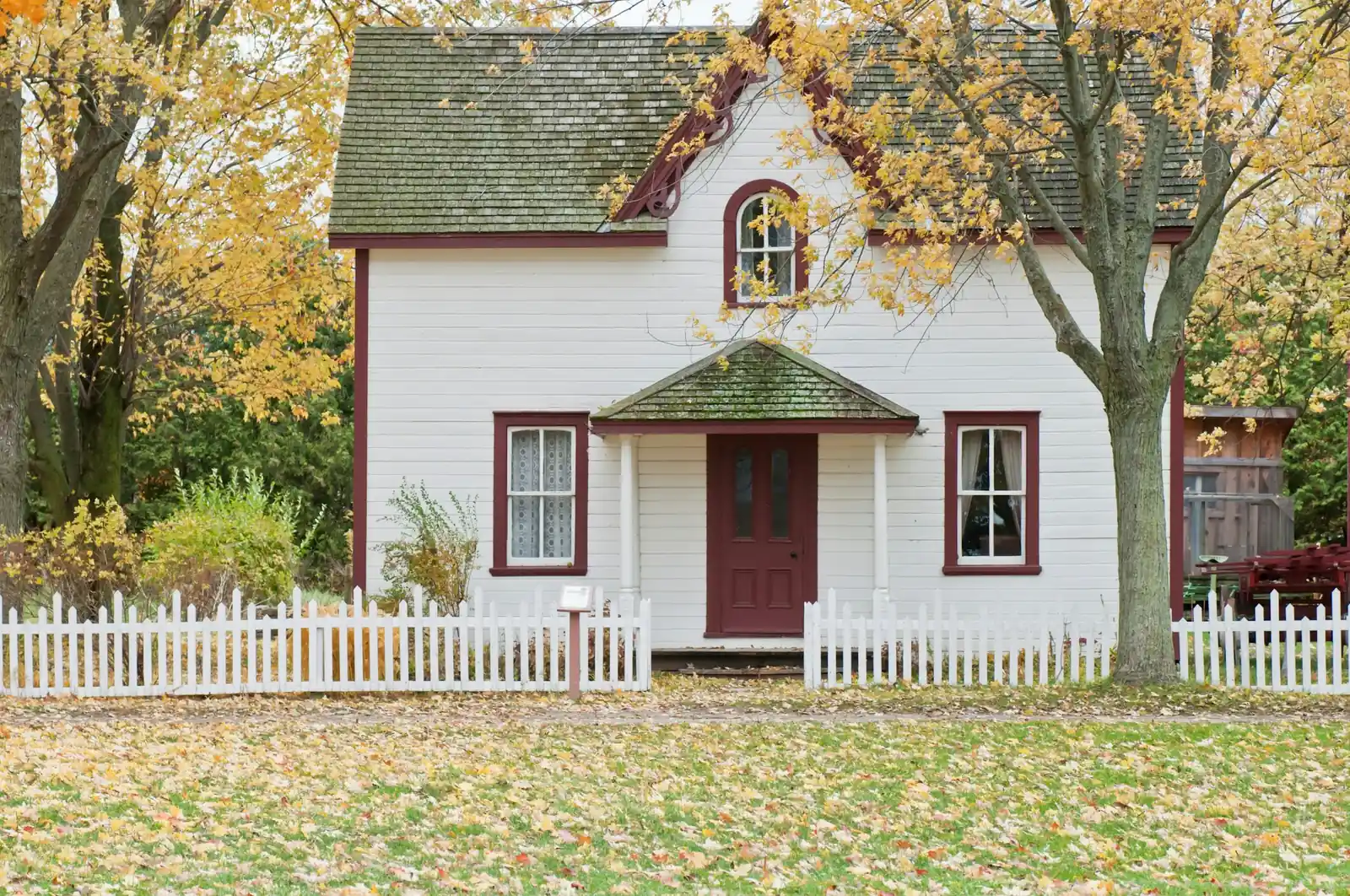
White house under maple trees
Guide

The First Home Savings Account, plainly

An FHSA lets a first-time buyer save up to $8,000 a year and $40,000 in total, deduct it like an RRSP, and withdraw it tax-free for a first home. If you don't buy, you can move it to an RRSP or RRIF without immediate tax.

Guide $8,000 Room in the year you open your first FHSA, and each year after. Mortgage Agent Level 1 · Lic. #ON-M26000429
Guide✳ $8,000✳ $40,000✳ 15 years✳ Kitchener✳ Waterloo✳ Cambridge✳ Guelph✳ Guide✳ $8,000✳ $40,000✳ 15 years✳ Kitchener✳ Waterloo✳ Cambridge✳ Guelph✳
At a glance

$8,000

Room in the year you open your first FHSA, and each year after.
At a glance

$40,000

The lifetime limit.
At a glance

15 years

The longest an FHSA can stay open, at most.

TFSA vs FHSA for your down payment

If you qualify, an FHSA usually gives a first-time buyer more: you get a deduction going in and pay no tax coming out for a first home. A TFSA is more flexible, because you can use the money for anything.

TFSAFHSA
Contribution room$7,000 for 2026, and unused room carries forward$8,000 a year, $40,000 for life; up to $8,000 of unused room carries forward
Tax deductionNoYes, contributions are generally deductible
Tax-free withdrawal for a first homeYes, for any reasonYes, when it is a qualifying withdrawal
What if you don't buyNothing changes. Withdrawals are added back to your room on January 1 of the next yearMove it to an RRSP or RRIF without immediate tax, or a withdrawal counts as income

You can use both. You cannot transfer directly from a TFSA to an FHSA, but you can withdraw from the TFSA and contribute that money to the FHSA, and your TFSA room comes back the next January 1.

As of Nov 2, 2026 · Source: Government of Canada: CRA: TFSA contribution room · CRA: what a TFSA is · CRA: TFSA withdrawals · CRA: transfers into your FHSA

Guide · 4 key points

What to know

Start here

Who can open one

A resident of Canada who has reached the minimum age, is 71 or younger on December 31 of the year they open it, and did not live in a home they or their spouse owned as a principal residence this year or in the previous 4 calendar years.

Point 2

Your room

Room starts when you open your first FHSA, not before. Unused room carries forward, up to $8,000. In the opening year, there is nothing to carry forward.

Point 3

Taking the money out

A qualifying withdrawal needs a written agreement to buy, with the purchase completed before October 1 of the following year, and you must plan to live there within a year. Canada Revenue Agency Form RC725 is part of it.

Point 4

If you don't buy

The account ends by December 31 of the earliest of its 15th anniversary, the year you turn 71, or the year after your first qualifying withdrawal. Transfer what is left directly to an RRSP or RRIF to defer tax, or a withdrawal counts as income.

Want your own numbers? I'll run them, free. Talk to Melod

By Melod Nawabi, Mortgage Agent Level 1 · Lic. #ON-M26000429 · Updated Nov 2, 2026

As of Nov 2, 2026 · Sources: CRA: First Home Savings Account · CRA: opening an FHSA · CRA: contributing to your FHSA · CRA: FHSA withdrawals and transfers · CRA: closing your FHSA

Next: FHSA + Home Buyers' Plan calculator · Home Buyers' Plan guide · Should I rent or buy in Kitchener?

A guide, not legal or tax advice. Program rules change; I check the current ones with you before you rely on them.

Autumn trees reflected in a still lake

Save, deduct, withdraw tax-free.

Guide · FAQ

Common questions

If you qualify, an FHSA usually gives more, because contributions are generally deductible and a qualifying withdrawal is tax-free. A TFSA has no deduction, but you can use the money for anything. Many people use both.

Yes. CRA says you can use both for the same home, if you meet each one's conditions at each withdrawal.

No. A qualifying FHSA withdrawal is tax-free and is not repaid. The Home Buyers' Plan is the one you repay.

No. Moving it directly to an RRSP or RRIF does not use your deduction room and has no immediate tax, if you have no excess amount.

Your room only starts once you open an account, so opening early can matter. Talk to your bank or a tax adviser about what fits you.

All questions →

Related articles

All articles →

Questions about FHSA guide?

Send me a message and I will reply the same business day, or call. No cost, no obligation.

Related

First-Time BuyersDown payment, closing costs, land transfer tax rebates and the stress test, explained before you make an offer. → How pre-approval worksA pre-approval tells you what you can borrow and can hold a rate while you house-hunt. → Down payments in Ontario: 5%, 10% and 20% explainedHow the minimum down payment tiers work, what default insurance means under 20%, and where the money can come from. →
What do these terms mean?Hide terms

Terms on this page

FHSA
First Home Savings Account: tax-free savings for a first home
RRSP
Registered Retirement Savings Plan
TFSA
Tax-Free Savings Account
Down payment
The part of the price you pay upfront
All mortgage terms
LTT
Land Transfer Tax: one-time Ontario tax the buyer pays at closing
CMHC
Canada Mortgage and Housing Corporation, the main mortgage default insurer
HELOC
Home Equity Line of Credit: borrow against your home as needed
HBP
Home Buyers' Plan: borrow from your RRSP for a first home
GDS
Gross Debt Service: housing costs as a share of income
TDS
Total Debt Service: all debt payments as a share of income
LTV
Loan-to-Value: mortgage size as a share of the home price
O.A.C.
On Approved Credit: final terms depend on lender approval
APR
Annual Percentage Rate: interest plus certain fees, as a yearly rate
FSRA
Financial Services Regulatory Authority of Ontario, which licenses mortgage agents
BoC
Bank of Canada, which sets the policy rate
IRD
Interest Rate Differential: a common fixed-rate break penalty
PR
Permanent Resident of Canada
B-20
OSFI guideline that sets bank mortgage rules, incl. the stress test
OSFI
Office of the Superintendent of Financial Institutions, the federal bank regulator
Amortization
Total years to pay off the mortgage in full
Term
How long your rate and contract last, usually 1 to 5 years
Stress test
Qualifying at your rate + 2% or 5.25%, whichever is higher
Prime rate
Lenders' base rate; variable rates move with it
Fixed rate
Rate stays the same for the whole term
Variable rate
Rate moves with prime during the term
Pre-approval
A lender has reviewed your documents and credit and holds a rate
Pre-qualification
A quick estimate from numbers you share; nothing checked
Insured mortgage
Under 20% down; default insurance is required
Equity
Your home's value minus what you owe
Refinance
Replacing your mortgage, often to access equity
Renewal
Signing a new term when the current one ends
Prepayment
Paying extra toward the mortgage without penalty, up to a limit
Closing costs
Lawyer, LTT, title insurance and other costs due at closing
Rate hold
A lender guarantees a rate for a set time, often up to 120 days

Open the full mortgage glossary

One conversation is usually enough to know where you stand.

No credit check to start and no obligation at the end.
Book a call with Melod