
Popular Nothing found. Search covers mortgage topics only. Call or text (226) 791-1576 and ask me directly.
Search the web
Site results: mortgage topics on melodnawabi.ca and Melod's Pineapple pages. Web results open Google in a new tab and leave this site. Press / to search from any page.
Contact
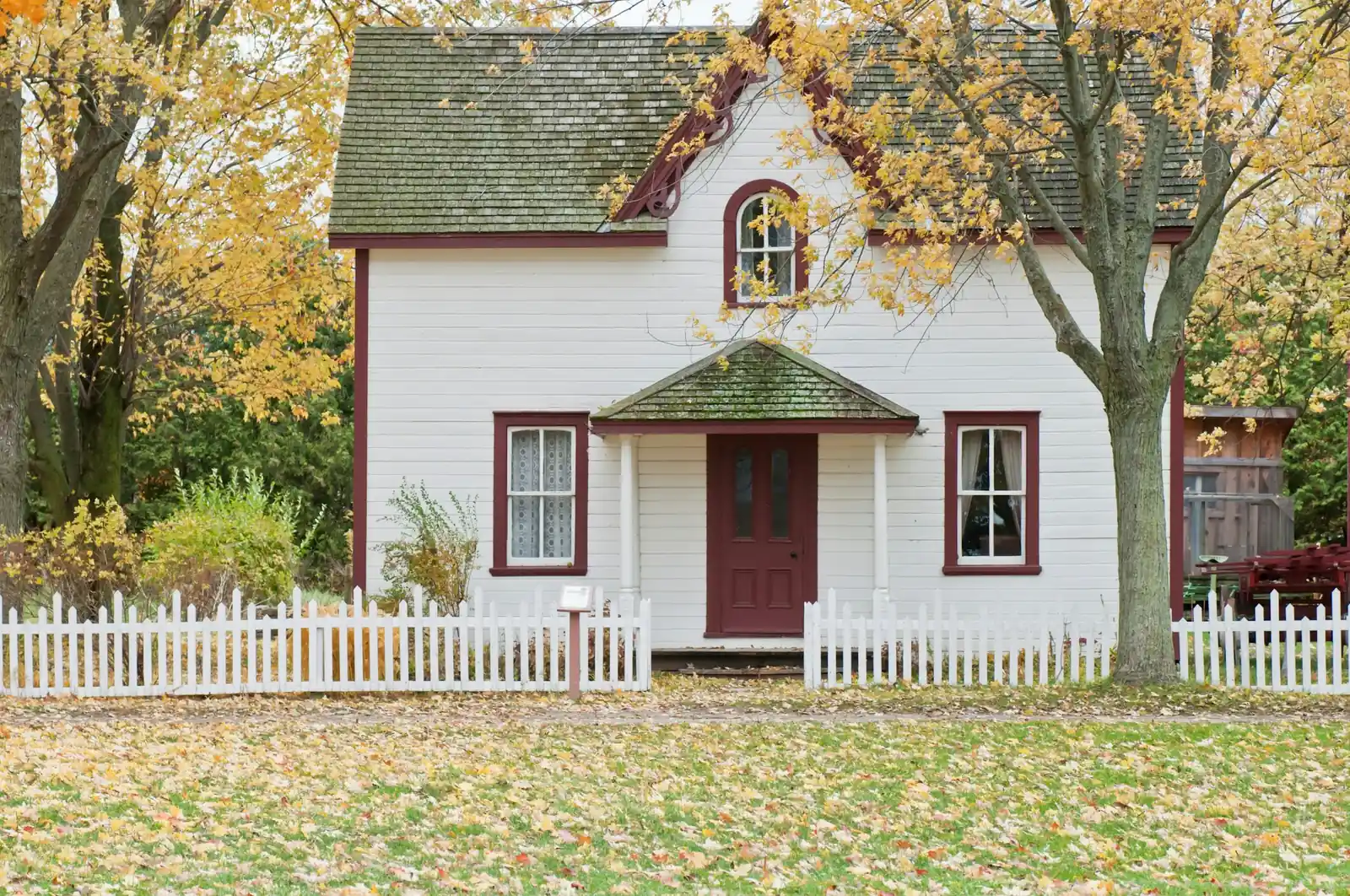
White house under maple trees
Calculator

Reverse mortgage: the most you could borrow

A reverse mortgage lets a homeowner, usually aged 55 or older, borrow against the home without selling it and without regular payments. The usual maximum is up to 55% of the home's current value. Enter your home's value to see that ceiling.

Calculator Up to 55% The usual maximum share of your home's current value (FCAC). Mortgage Agent Level 1 · Lic. #ON-M26000429
Calculator✳ Talk it through✳ Bring the family in✳ Get the lender's number✳ Independent legal advice✳ Up to 55%✳ 55 or older✳ No regular payments✳ Kitchener✳ Calculator✳ Talk it through✳ Bring the family in✳ Get the lender's number✳ Independent legal advice✳ Up to 55%✳ 55 or older✳ No regular payments✳ Kitchener✳
At a glance

Up to 55%

The usual maximum share of your home's current value (FCAC).
At a glance

55 or older

The usual age for a reverse mortgage (FCAC).
At a glance

No regular payments

The balance is repaid when you sell, move out or the last borrower dies.

The ceiling on your home

Runs in your browser. Nothing you type is sent or stored.

The most a reverse mortgage could be$385,000up to 55% of your home's value, the usual maximum (FCAC).
Your home's value
$700,000
Usual maximum
Up to 55% of the value
Your own amount
Set by your age, your home and the lender

The actual amount depends on your age, your home and the lender; O.A.C.

See my rates (Pineapple's posted rates). Estimates only. O.A.C.

As of Nov 12, 2026 · Source: FCAC: reverse mortgages

Get your own number

The actual amount depends on your age, your home and the lender; O.A.C. Tell me your age, who is on title and roughly what the home is worth, and I will get the lender's figure for you.

Call or text (226) 791-1576 Email Melod Book a Reverse Mortgage Call

As of Nov 12, 2026 · Source: FCAC: reverse mortgages (Financial Consumer Agency of Canada). An estimate of the usual maximum only, not an offer of credit. Read the full reverse mortgage page first.

How I help with a reverse mortgage

  1. Step 1

    Talk it through

    What the money is for, and whether a line of credit, a refinance or a smaller home would do the job for less.
  2. Step 2

    Bring the family in

    FCAC suggests speaking with a financial advisor and your family first. I am glad to have that call with all of you.
  3. Step 3

    Get the lender's number

    The lender sets your actual amount from your age, the others on title, and the home's appraisal.
  4. Step 4

    Independent legal advice

    A lender may require it. Even where it does not, it is worth having before you sign.
Calculator · 4 key points

What to know

Start here

What the ceiling means

It is the most a reverse mortgage could usually be on a home of that value. It is not an offer and not what you would get: most borrowers qualify for less than the maximum.

Point 2

What sets your amount

FCAC lists three things: your age and the age of anyone else on title, your home's condition, type and appraised value, and the lender.

Point 3

What it costs

Interest on a reverse mortgage is usually higher than on a regular mortgage or a home equity line of credit, and it is added to what you owe, so the balance grows over time. There can also be appraisal, set-up, legal and prepayment charges.

Point 4

Other ways to get there

Before a reverse mortgage, FCAC suggests comparing other options: selling and buying smaller, renting, a home equity line of credit, a mortgage or a personal loan.

Want your own numbers? I'll run them, free. Open the calculator
Autumn trees reflected in a still lake

Know the ceiling before you talk to a lender.

Calculator · FAQ

Common questions

Usually up to 55% of your home's current value at most. The actual amount depends on your age, your home and the lender, and is often lower than that maximum.

No regular payments are needed. You repay the balance when you sell the home, move out, or when the last borrower dies. Interest is added to the balance along the way.

Homeowners, usually aged 55 or older. The home must usually be your primary residence, which typically means you live in it at least six months a year.

No official source publishes the amounts by age, and each lender sets its own. This page shows the one figure that is public, the usual maximum, and I get your own number from the lender.

All questions →

Related articles

All articles →

Questions about a reverse mortgage?

Send me a message and I will reply the same business day, or call. No cost, no obligation.

Related

Reverse Mortgage 55+For Canadian homeowners 55 and older: turn part of your home equity into tax-free cash, with no regular mortgage payments. → HELOCA line of credit against your home: borrow when you need it, pay interest only on what you use, and reuse it as you pay it down. → All mortgage calculators →
What do these terms mean?Hide terms

Terms on this page

Equity
Your home's value minus what you owe
Refinance
Replacing your mortgage, often to access equity
Prepayment
Paying extra toward the mortgage without penalty, up to a limit
All mortgage terms
LTT
Land Transfer Tax: one-time Ontario tax the buyer pays at closing
CMHC
Canada Mortgage and Housing Corporation, the main mortgage default insurer
HELOC
Home Equity Line of Credit: borrow against your home as needed
FHSA
First Home Savings Account: tax-free savings for a first home
HBP
Home Buyers' Plan: borrow from your RRSP for a first home
RRSP
Registered Retirement Savings Plan
TFSA
Tax-Free Savings Account
GDS
Gross Debt Service: housing costs as a share of income
TDS
Total Debt Service: all debt payments as a share of income
LTV
Loan-to-Value: mortgage size as a share of the home price
O.A.C.
On Approved Credit: final terms depend on lender approval
APR
Annual Percentage Rate: interest plus certain fees, as a yearly rate
FSRA
Financial Services Regulatory Authority of Ontario, which licenses mortgage agents
BoC
Bank of Canada, which sets the policy rate
IRD
Interest Rate Differential: a common fixed-rate break penalty
PR
Permanent Resident of Canada
B-20
OSFI guideline that sets bank mortgage rules, incl. the stress test
OSFI
Office of the Superintendent of Financial Institutions, the federal bank regulator
Amortization
Total years to pay off the mortgage in full
Term
How long your rate and contract last, usually 1 to 5 years
Stress test
Qualifying at your rate + 2% or 5.25%, whichever is higher
Prime rate
Lenders' base rate; variable rates move with it
Fixed rate
Rate stays the same for the whole term
Variable rate
Rate moves with prime during the term
Pre-approval
A lender has reviewed your documents and credit and holds a rate
Pre-qualification
A quick estimate from numbers you share; nothing checked
Down payment
The part of the price you pay upfront
Insured mortgage
Under 20% down; default insurance is required
Renewal
Signing a new term when the current one ends
Closing costs
Lawyer, LTT, title insurance and other costs due at closing
Rate hold
A lender guarantees a rate for a set time, often up to 120 days

Open the full mortgage glossary

Related tools and guides

Every calculator · Every article

One conversation is usually enough to know where you stand.

No credit check to start and no obligation at the end.
Book a call with Melod